.svg)

Azdan Apps
NetSuite Property Lease Management
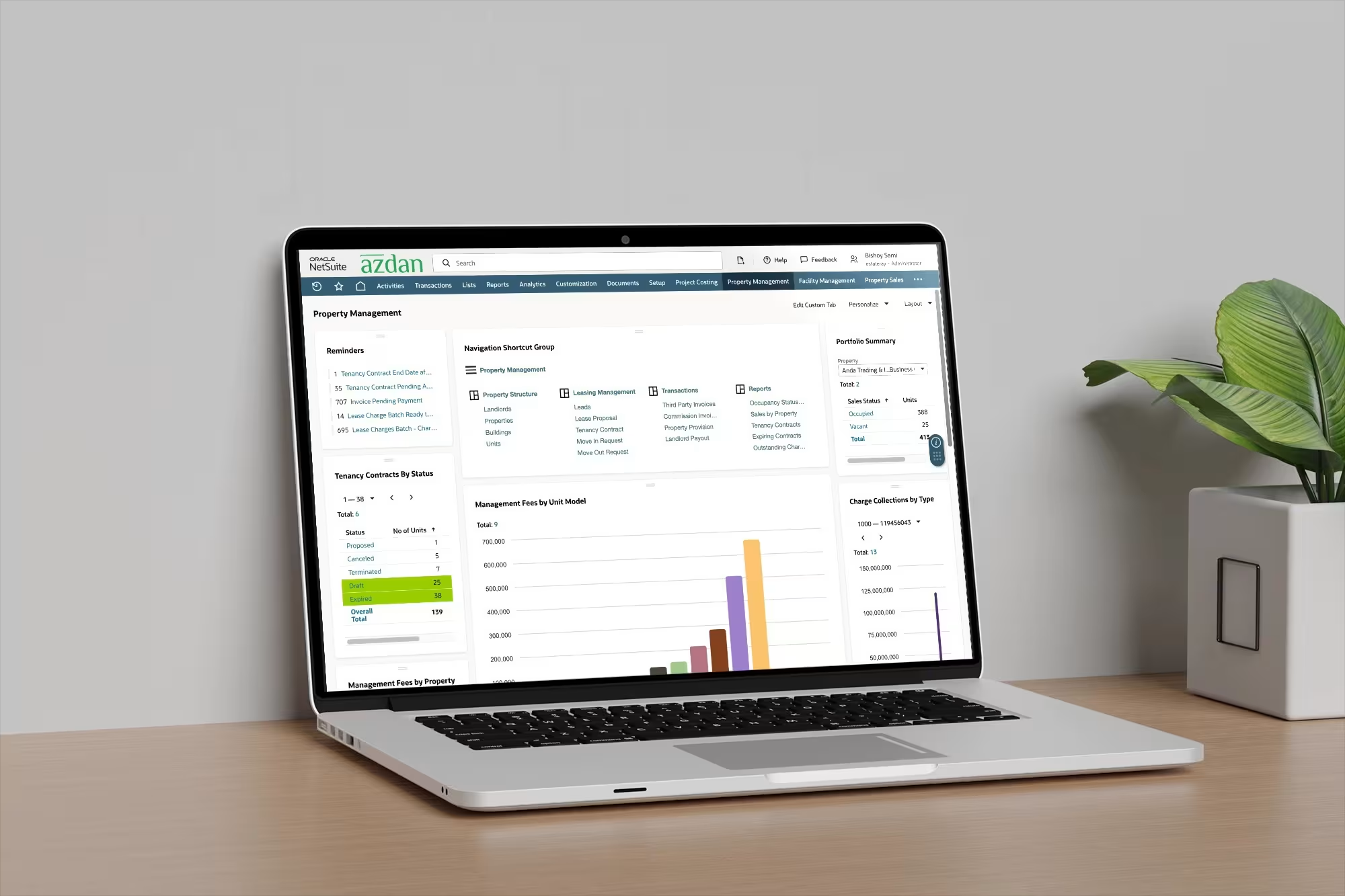
Manages the full lease lifecycle inside NetSuite, from contract creation and automated billing through renewal alerts, utility management, and AR collection.

Mollak Integration

Renewal Alerts

Automated Billing

Lease Contracts
Move-in/Move-out
AR Tracking
Multi-portfolio
Utility Billing
Azdan Apps' NetSuite Property Lease Management solution runs the full lease lifecycle inside NetSuite, covering contract creation, automated billing, renewal tracking, and AR collection. Pair it with Azdan Apps Property Sales Management for end-to-end property operations.

One source of truth
Multi-portfolio ready
Mollak integrated


Tenancy Contract Lifecycle
Manages property and unit hierarchy alongside single and multi-unit tenancy contracts, from initiation through move-in, amendments, and termination, with configurable terms and full status tracking.
 Property, building, floor, and unit hierarchy with area and status per unit
- Single and multi-unit tenancy contracts with configurable lease terms
- Move-in and move-out workflows with unit status updates
- Contract amendments, early termination, and tenant communication tracking
Free Demo
Use Case
Leasing managers handling tenancy contracts across residential, commercial, and mixed-use portfolios.

Outcome
Every lease contract centralized in NetSuite with full tenant, unit, and term history tracked from initiation through termination.

Automated Billing & Payments
Generates lease charges, rent schedules, deposits, and late payment fees automatically based on configurable billing rules, with AR tracking and overdue alerts all connected to NetSuite finance.
- Automated rent invoicing on configurable billing cycles
- Security deposit, advance payment, and deduction management
- Late payment fee calculation and application per contract terms
- AR tracking with overdue alerts and collection visibility
Free Demo
Use Case
Finance teams billing tenants across residential and commercial portfolios without auto-invoice generation or payment tracking.
Outcome
Every lease charge generated and posted automatically, with AR status and outstanding balances visible in NetSuite in real time.

Renewal Automation & Compliance Alerts
Triggers automated renewal notifications based on contract expiry dates, with configurable notice periods, compliance tracking rules, and built-in portfolio dashboards for occupancy, revenue, and lease performance.
- Automated renewal alerts triggered by contract expiry date
- Configurable notice period rules per lease type and portfolio
- Compliance monitoring with Mollak integration for Dubai RERA
- Portfolio dashboards for occupancy rates, lease revenue, and renewal KPIs
Free Demo
Use Case
Property managers and compliance teams monitoring upcoming renewals, expiries, and RERA obligations across all managed communities.
Outcome
No lease renewal missed, every compliance deadline tracked, and full portfolio performance visible in NetSuite without manual monitoring.

Why Property Lease Management
Built for Property Managers and Developers on NetSuite

100% Native to NetSuite
No third-party tools or middleware. Every record runs inside NetSuite with full data integrity.
Full Lifecycle Lease Management
From lead generation and contract creation through billing, renewals, move-out, and lease accounting, all managed in a single configurable NetSuite environment.
Automated Billing and Renewals
Lease charges, rent schedules, renewal alerts, and late payment fees generated automatically without manual intervention, across any portfolio size.
Mollak Integration for Dubai RERA
Direct integration with Mollak connects NetSuite lease billing and service charges to Dubai's RERA-required platform, eliminating manual reconciliation.
Real-Time Portfolio Visibility
Built-in dashboards track occupancy rates, lease revenue, renewal rates, outstanding receivables, and tenant metrics across all managed properties.
Built for Residential, Commercial, and Mixed-Use
Configurable for any portfolio type including residential communities, commercial towers, and mixed-use developments across the UAE and GCC.
What’s Included
Everything in Azdan Apps NetSuite Property Lease Management

Lease Management
Contracts, renewals, and lifecycle
A fully native NetSuite solution covering the complete lease lifecycle, from contract creation and move-in through renewal alerts, inspection tracking, and tenant communications, all connected directly to finance.
This includes:
- Lease contract creation and renewal management
- Move-in, move-out, and unit status workflows
- Expiry alerts and configurable notice periods
- Inspection and incident tracking per property

Billing & Compliance
AR, utilities, and Mollak
Automated billing cycles, utility management, and AR collection inside NetSuite, with Mollak integration for Dubai RERA compliance and multi-entity portfolio visibility across all managed communities.
This includes:
- Automated rent invoicing on configurable cycles
- Utility billing and collection per unit
- AR tracking and overdue account alerts
- Mollak integration for Dubai RERA compliance